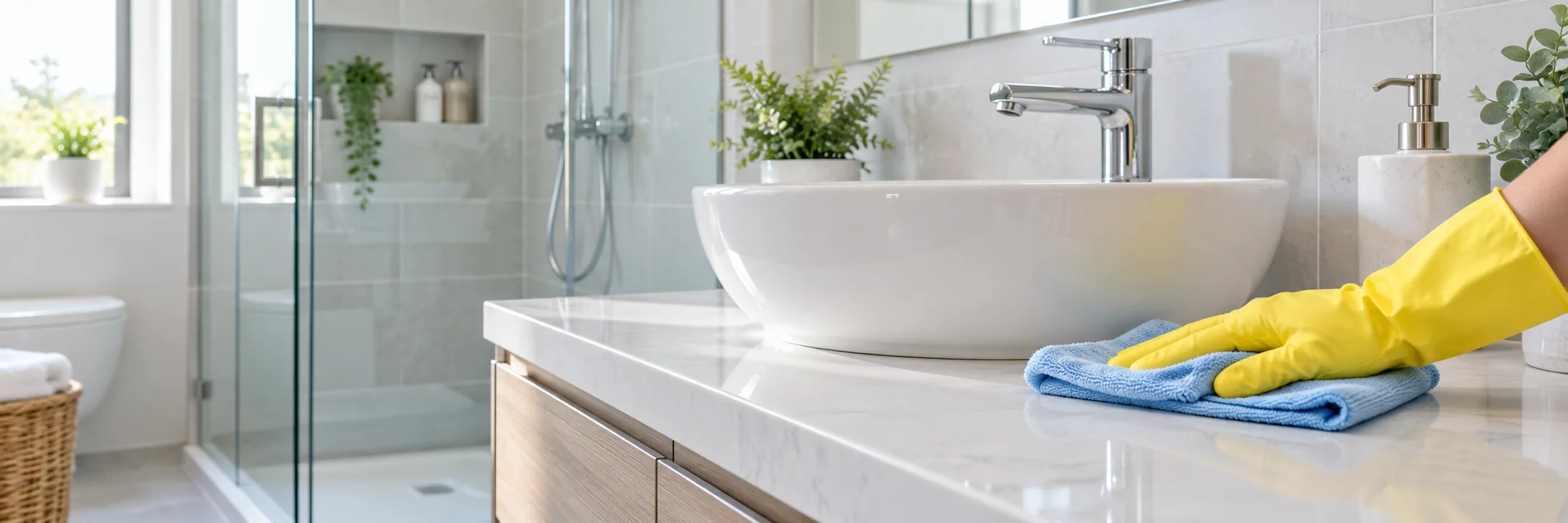
Bathroom Cleaning Tips for a Cleaner and Hygienic Home
A clean bathroom is essential for maintaining a healthy and comfortable home. Bathrooms are exposed to moisture, soap residue, hard water, bacteria, and unpleasant odours every day. Without regular cleaning, these can lead to stains, mould growth, slippery floors, and poor hygiene.
Following the right bathroom cleaning tips can make regular maintenance easier and help keep your bathroom fresh for longer. From cleaning tiles and toilets to disinfecting frequently touched surfaces, a simple routine can make a noticeable difference.
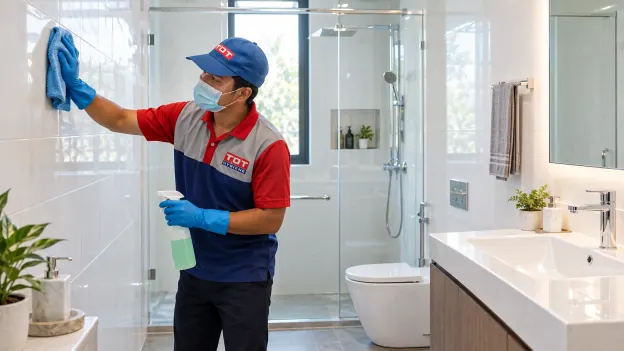
For households and businesses that need deeper cleaning, professional cleaning services such as TOT Hygiene can provide specialised solutions for maintaining cleaner and more hygienic spaces.
Enquire now
Why Regular Bathroom Cleaning Is Important
Bathrooms require more attention than many other areas of a property because they remain damp for long periods. Moisture can encourage mould and mildew growth, while soap and mineral deposits can build up on tiles, taps, shower areas, and glass surfaces.
Regular bathroom cleaning helps to:
- Reduce bacteria and germs on frequently touched surfaces
- Prevent mould and mildew buildup
- Remove soap scum and hard water stains
- Control unpleasant bathroom odours
- Reduce slippery residue on floors
- Maintain tiles, fixtures, and sanitaryware
- Create a more comfortable and hygienic environment
A consistent cleaning routine is generally more effective than waiting until dirt and stains become difficult to remove.
7 Practical Bathroom Cleaning Tips
1. Start by Removing Clutter
Before cleaning, remove toiletries, bottles, buckets, mats, and other movable items from the bathroom.
This gives you better access to the floor, walls, corners, and other surfaces. It also prevents dust and cleaning solutions from getting trapped around objects.
Wipe bottles and containers before placing them back to reduce the buildup of moisture and residue.
2. Clean the Toilet Regularly
The toilet should be cleaned and disinfected regularly because it is one of the most frequently used fixtures in a bathroom.
Apply an appropriate toilet-cleaning product according to its instructions. Clean the bowl, seat, lid, flush area, and surrounding surfaces.
Do not mix different cleaning chemicals. Some combinations can produce harmful fumes.
For better hygiene, give extra attention to high-touch areas such as the flush handle and toilet seat.
3. Remove Soap Scum from Tiles and Shower Areas
Soap scum can gradually form a dull layer on bathroom tiles, shower walls, and glass surfaces.
Regular wiping can prevent heavy buildup. For existing stains, use a suitable bathroom cleaner and allow it to work for the recommended time before wiping.
Pay particular attention to corners, grout lines, and areas around the shower where water and soap frequently collect.
4. Tackle Hard Water Stains
Hard water can leave white or cloudy deposits on taps, showerheads, glass, and tiles.
Cleaning these deposits regularly can help maintain the appearance of bathroom fixtures. Use a cleaner suitable for the specific surface and follow the manufacturer's instructions.
Avoid using harsh products on delicate materials because aggressive cleaning can damage certain finishes.
5. Keep Bathroom Floors Dry and Clean
Bathroom floors can collect hair, soap residue, dirt, and moisture. These can make the surface slippery and contribute to unpleasant odours.
Sweep or vacuum loose dirt before mopping. Clean the floor with a suitable bathroom floor cleaner and allow adequate ventilation so that excess moisture can dry.
Floor drains should also be checked regularly to prevent water from collecting.
6. Clean High-Touch Surfaces
Some bathroom surfaces are touched frequently throughout the day.
Include these areas in your cleaning routine:
- Door handles
- Tap handles
- Flush buttons
- Cabinet handles
- Shower controls
- Toilet seats
Cleaning these surfaces regularly can support better overall bathroom hygiene.
7. Improve Ventilation
Good ventilation is one of the simplest ways to reduce excessive moisture.
After using the bathroom, keep the exhaust fan running when appropriate or open a window to improve airflow. Drying wet surfaces can also help reduce the conditions that encourage mould and mildew.
If mould continues to return despite regular cleaning and ventilation, the underlying moisture problem may need professional attention.
A Simple Bathroom Cleaning Checklist
For easier maintenance, divide cleaning into regular tasks.
Daily or frequent tasks:
- Rinse shower areas
- Remove visible hair and dirt
- Wipe wet surfaces
- Keep the floor as dry as possible
- Empty bathroom bins when needed
Weekly tasks:
- Clean the toilet thoroughly
- Mop the floor
- Clean tiles and shower areas
- Wipe taps and fixtures
- Clean mirrors and glass
- Disinfect high-touch surfaces
Periodic deep cleaning:
- Remove stubborn stains
- Clean grout lines
- Clean difficult-to-reach corners
- Deep clean sanitaryware
- Address persistent odours
- Clean areas behind and underneath movable fixtures
The exact frequency can vary depending on bathroom usage, ventilation, household size, and the type of property.
Common Bathroom Cleaning Mistakes to Avoid
Even when cleaning regularly, a few mistakes can reduce the effectiveness of the routine.
Using Too Much Cleaning Product
More cleaning solution does not necessarily mean better cleaning. Excess product can leave residue on surfaces and may cause damage if used incorrectly.
Mixing Cleaning Chemicals
Never mix different cleaning chemicals unless the product manufacturer specifically states that they are compatible. Some combinations can release dangerous gases.
Ignoring Grout and Corners
Large surfaces may look clean while dirt, mould, and residue remain in grout lines and corners. These areas should be included in periodic deep cleaning.
Using the Same Cloth Everywhere
Using the same cleaning cloth for the toilet, sink, and other surfaces can spread dirt between areas. Use separate or properly sanitised cleaning materials for different zones.
Forgetting Ventilation
Cleaning alone may not solve recurring moisture and mould problems. Proper airflow is an important part of bathroom maintenance.
When Should You Consider Professional Bathroom Cleaning?
Regular household cleaning is useful for day-to-day maintenance, but some bathrooms require deeper attention.
Professional cleaning may be helpful when there is:
- Heavy soap scum buildup
- Persistent hard water stains
- Deep grout discolouration
- Recurring mould or mildew
- Persistent unpleasant odours
- Dirt in difficult-to-reach areas
- A need for detailed bathroom deep cleaning
Professional cleaners can assess the condition of different surfaces and use suitable cleaning methods and products for the job.
How TOT Hygiene Can Help
TOT Hygiene focuses on professional cleaning and hygiene solutions for homes and commercial spaces. A professional approach can help address areas that are often missed during routine cleaning, including corners, fixtures, floors, tiles, and other high-use surfaces.
Instead of relying only on occasional surface cleaning, a structured cleaning approach can help maintain a cleaner and more hygienic bathroom environment.
For properties that require detailed cleaning, professional assistance can also save time and provide a more systematic approach to difficult cleaning tasks.
Build a Consistent Bathroom Cleaning Routine
A clean bathroom does not necessarily require hours of cleaning every day. The key is consistency.
Simple habits such as wiping wet surfaces, cleaning the toilet regularly, removing hair and residue, improving ventilation, and addressing stains early can make routine maintenance much easier.
For deeper cleaning requirements, choosing a professional service can help tackle stubborn buildup and hard-to-reach areas.
With the right routine and professional support when required, you can keep your bathroom cleaner, fresher, and more hygienic throughout the year.
Frequently Asked Questions
-
How often should a bathroom be cleaned?
Bathrooms should receive regular light cleaning throughout the week, with a more thorough cleaning at least once a week. High-use bathrooms may require more frequent cleaning.
-
What is the best way to prevent bathroom mould?
Good ventilation, keeping surfaces dry, fixing moisture problems, and cleaning affected areas regularly can help reduce mould growth.
-
How can I remove soap scum from bathroom tiles?
Use a suitable bathroom cleaner designed for the tile surface, allow it to work according to the product instructions, and wipe the area thoroughly. Regular cleaning helps prevent heavy buildup.
-
How can I keep my bathroom smelling fresh?
Regularly clean the toilet, floor, drains, and wet areas. Good ventilation and keeping the bathroom dry can also help reduce unpleasant odours.
-
When should I hire a professional bathroom cleaning service?
Professional cleaning can be useful when there is heavy buildup, stubborn stains, recurring mould, persistent odours, or when a detailed deep cleaning is required.
Keep Your Bathroom Clean with TOT Hygiene
A hygienic bathroom starts with consistent cleaning and proper maintenance. Follow these bathroom cleaning tips as part of your regular routine, and consider professional assistance when deeper cleaning is required.
Looking for professional bathroom cleaning support? Contact TOT Hygiene to discuss your cleaning requirements and keep your space cleaner, fresher, and more hygienic.